


Managing the Juice
Blueberries release more liquid than almost any other cobbler fruit, and a watery bottom is the near-universal complaint. Three things control it.
Thicken properly. Blueberries need more starch than apples — about 3 tablespoons of cornstarch for 900 g of fruit, versus 2 for apples. Tapioca starch produces a clearer, glossier set and doesn’t cloud the way cornstarch can. Toss it with the berries and sugar and let it sit 15 minutes so it hydrates before baking.
Add acid. A tablespoon of lemon juice does two things: it brightens flavor that would otherwise read as flatly sweet, and the acidity helps the pectin in the berries set. Zest is worth adding too.
Bake until it bubbles hard. Starch only thickens at a simmer, and a cobbler pulled before the filling is visibly bubbling at the center — not just the edges — will be soupy no matter how the topping looks. This usually means 10 minutes longer than feels necessary.
Then rest it. Thirty minutes minimum before serving. The filling continues to set as it cools, and cutting straight from the oven guarantees a runny plate.
Fresh vs. Frozen Blueberries
Frozen blueberries work well here and are often the better choice outside peak season, when fresh supermarket berries can be watery and bland.
Don’t thaw them. Add frozen berries straight to the bowl with sugar and starch. Thawed berries release their liquid into the bowl and turn to mush when stirred, and you lose the shape entirely.
Add an extra tablespoon of starch to account for the additional water frozen fruit releases, and expect to add 10 to 15 minutes to the bake time.
Wild blueberries are worth seeking out. Frozen wild berries are smaller, more intensely flavored, and less watery than cultivated ones. They’re a genuine upgrade in a cobbler.
If you’re using fresh, look for firm berries with a dusty bloom and no soft spots. Rinse and dry them thoroughly — surface water adds to the liquid problem.
Variations
Blueberry peach. Half blueberries, half sliced peaches. One of the best summer combinations there is.
Mixed berry. Blueberries with raspberries and blackberries; increase starch slightly since raspberries are very wet.
Lemon. Double the zest and add a tablespoon of juice to the biscuit topping as well.
Cornmeal topping. Replace 50 g of the topping flour with cornmeal for a coarser, more rustic biscuit that pairs well with berries.
Almond. Add ½ tsp almond extract to the filling and scatter sliced almonds over the topping.
Skillet. Cook the berries briefly in a cast-iron skillet, top, and bake in the same pan.
Troubleshooting
Soupy filling. Not enough starch, or pulled before it bubbled at the center. Both are common with blueberries specifically.
Topping doughy underneath. Mounds too large or packed too close. Drop smaller spoonfuls with visible gaps so steam escapes.
Filling turned gluey. Too much cornstarch. Three tablespoons for 900 g of fruit is the ceiling.
Bland. No acid. Blueberries need lemon juice and a pinch of salt more than they need more sugar.
Topping browned before the fruit cooked. Oven too hot. Tent with foil and continue.
It stained everything purple. That’s blueberries. Line the sheet pan under the dish.
Storage
Covered at room temperature it keeps 2 days, or 4 refrigerated. Reheat in a 350°F oven for 15–20 minutes to re-crisp the topping — a microwave makes the biscuit soggy. It freezes for 3 months baked; thaw overnight and reheat covered.
You can also assemble it unbaked and refrigerate up to 24 hours, then bake straight from cold with an extra 10 minutes. Serve warm with vanilla ice cream, which is the standard and hard to improve on.
Frequently Asked Questions
Why is my blueberry cobbler watery?
Blueberries release a lot of liquid, so they need more thickener than other fruit — about 3 tablespoons of cornstarch per 900 g. The other cause is pulling it too early: starch only sets at a simmer, so the filling must be visibly bubbling at the center, not just the edges.
Can I use frozen blueberries?
Yes, and often they’re better than out-of-season fresh ones. Don’t thaw them — add them frozen, increase the starch by a tablespoon, and add 10 to 15 minutes to the bake.
What is the difference between a cobbler and a crisp?
The topping. Cobbler has a biscuit or batter topping dropped in mounds; crisp has a streusel topping with oats. Crumble is the British version of a crisp, usually without oats.
Should I use cornstarch or tapioca?
Either works. Tapioca gives a clearer, glossier filling and doesn’t cloud; cornstarch is more common and slightly firmer. Flour works too but needs more of it and can taste pasty.
Can I make it ahead?
Yes. Assemble unbaked and refrigerate up to 24 hours, then bake from cold with about 10 extra minutes. Baked cobbler keeps 4 days refrigerated and reheats well in the oven.
Why is my topping doughy on the bottom?
The biscuit mounds were too large or too close together, trapping steam from the fruit below. Drop smaller spoonfuls with gaps between them.
Do I need to add lemon juice?
It’s worth it. Blueberries are sweet without much acidity of their own, so a tablespoon of lemon juice keeps the filling from tasting flat and also helps the pectin set.
How long should it rest before serving?
At least 30 minutes. The filling keeps setting as it cools, and serving straight from the oven guarantees it runs.
More Fruit Desserts
Related: apple cobbler, blueberry pie, and blueberry brownies. For pastry technique, see how to make pie crust and browse all pie recipes.
Serving and Occasions
Blueberry cobbler is a summer dessert by default but works year-round with frozen fruit, and it’s one of the few desserts that’s genuinely good at any temperature. Warm with vanilla ice cream is the standard. Room temperature with softly whipped cream is arguably better for a crowd, since you’re not racing the clock.
It also travels well in its own dish, needs no plating skill, and scales cleanly — a 9×13 pan doubles the recipe and serves 12 to 15. That combination makes it a reliable potluck and cookout dessert in a way that a layer cake isn’t.
Leftovers are legitimately good for breakfast with yogurt, which is not a joke but a genuine use.
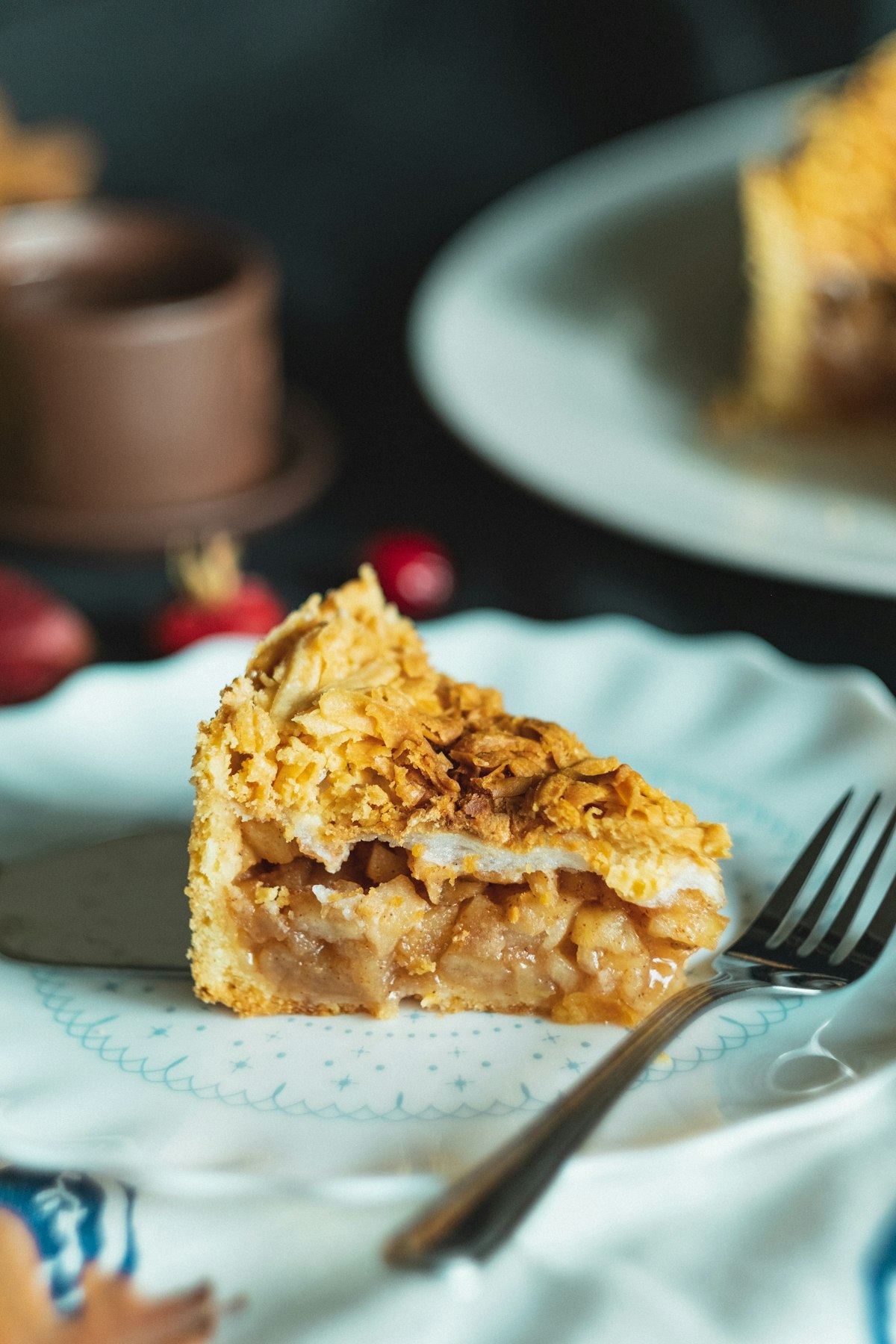
Blueberry cobbler is the easy fruit dessert — toss berries with sugar and cornstarch, top with biscuit dough, bake. No crust to roll, no lattice to weave, no chilling. The whole thing comes together in 30 minutes of active work, perfect for “I want a dessert tonight but didn’t plan ahead.” Serve warm with vanilla ice cream for the platonic summer dessert experience.
Why this recipe works
Cornstarch thickener gives a clean glossy filling that scoops cleanly. Flour gets pasty; tapioca is fine but harder to find.
Cold butter cut into flour creates flaky biscuit topping. Same technique as biscuits and pie crust.
Buttermilk vs milk — buttermilk’s acid activates the baking powder more aggressively and tenderizes the biscuit topping. If you don’t have buttermilk, make a substitute (1 tablespoon vinegar + scant cup milk, let sit 5 minutes).
Bubbling THICKLY in the middle is the doneness cue. Cornstarch only fully thickens at boiling temperature, and the center is last to get there. Pull when only the edges bubble = soupy cobbler.
15-minute rest before serving lets the filling set. Warm cobbler straight from oven is still loose; 15 minutes makes it scoopable.
Variations
Mixed berry cobbler: Substitute 2 cups blueberries with raspberries or blackberries.
Peach blueberry cobbler: Half peaches, half blueberries — the perfect summer combo.
Cobbler with cinnamon biscuits: Add 1 teaspoon cinnamon to the biscuit topping.
Lemon blueberry cobbler: Double the lemon zest in both filling and topping.
Cobbler with cornmeal biscuits: Replace 1/4 cup of flour with cornmeal for a slight crunch and Southern flavor.
Apple cobbler: Same technique with sliced apples — see our apple cobbler recipe.
Storage
Room temperature 2 days covered. Refrigerated 4-5 days. Reheat individual portions in microwave (45 seconds) or oven (300F for 15 minutes covered).
Freezes well: cool completely, wrap tightly, freeze 3 months. Thaw in fridge overnight, reheat in 300F oven.
More fruit desserts you will love
Classic blueberry pie · Apple cobbler · Strawberry shortcake · All fruit pies and desserts
FAQ
What’s the difference between cobbler and crumble?
Cobbler has a biscuit-style topping (drop biscuits dolloped over fruit). Crumble has a streusel-style topping (flour + sugar + butter pinched into crumbs). Same fruit base, different toppings.
Can I use frozen blueberries?
Yes — thaw and drain well first (excess liquid makes the cobbler soupy). Add 1 extra tablespoon cornstarch to compensate.
Why is my cobbler watery?
Either not baked long enough (filling must bubble thickly in the MIDDLE), or used too few thickeners. Cornstarch needs to reach boiling temperature to fully thicken.
Can I make this gluten-free?
Yes — use a 1:1 gluten-free flour blend for the biscuit topping. Filling is naturally GF.
How far ahead can I make cobbler?
Best the day it’s made (warm cobbler is the whole point). Day 2 is still good reheated. The biscuit topping softens over time so quality drops noticeably by day 3.