made with love and butter since 1997 ✨

PastryWiz.

food & fun starts here

Cake Recipes: Every Type, from Layer Cakes to Cheesecakes

Cake covers an enormous range — from a five-minute mug cake to a three-tier wedding centerpiece — and the techniques don’t transfer evenly between them. This collection is organized by what you’re actually trying to make, so you can find the right recipe without wading through the wrong category.

Curated by Marisol Acosta

Start Here If You’re New

A basic butter layer cake teaches nearly everything: creaming, alternating wet and dry, judging doneness, and frosting a level surface. Our guide to baking a cake walks through the whole process with the reasoning behind each step.

After that, pound cake is the best second project — a tight, sturdy crumb with no frosting to hide behind, which makes it an honest test of your mixing. Bundt cakes are third: same batter logic, but you learn pan prep and release.

The Types of Cake

Cakes divide by what provides the structure and the lift. Knowing the family tells you how the batter should look and what will go wrong.

Butter cakes

Creamed butter and sugar, chemically leavened. Tender, rich, and the default for layer cakes and birthdays.

Pound and dense cakes

High fat, tight crumb, minimal leavening. Sturdy enough to carve, sturdy enough to travel.

Cheesecakes

Custard rather than cake — set by eggs and dairy, not by flour and leavening. Their own discipline entirely.

Cupcakes

Same batters, different format — and a shorter, less forgiving bake window.

Soaked and international cakes

Quick and single-serve

For Occasions

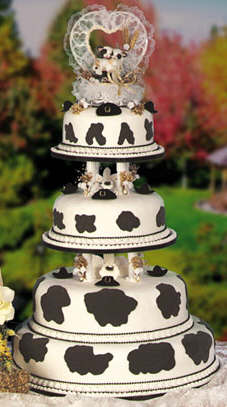
Birthdays and parties are where cake gets ambitious. Our novelty and shaped cake guide covers carving, internal support, and decorating for themed builds. For weddings and formal events, tiered cake construction and our cake cutting guide handle the parts people usually get wrong.

Before you pick a pan size, check cake serving sizes — portion count is what should determine your build, and working backward from it saves a lot of rework.

Frostings and Finishing

A good cake with mediocre frosting reads as a mediocre cake. Vanilla buttercream is the workhorse and the most forgiving on a slightly fragile crumb. For anything involving chocolate coatings, drips, or ganache, start with melting chocolate properly.

Gluten-Free Cake

Cakes convert to gluten-free more reliably than breads do, because structure comes mostly from eggs, sugar, and starch rather than gluten. Our gluten-free layer cake uses sour cream and reverse creaming for a genuinely tender crumb. See the gluten-free baking guide for flour blends and binder ratios.

Techniques That Carry Across Everything

Three fundamentals affect every recipe on this page. Creaming butter and sugar correctly is where most cake texture is won or lost — under-creamed batter produces dense cake, over-creamed collapses. Choosing the right flour matters more than people expect, and our cake flour guide covers when the lower-protein option is worth it. And storing cake properly keeps day-two slices worth serving — refrigeration is usually the wrong answer.

Frequently Asked Questions

What are the main types of cake?

Butter cakes (creamed, chemically leavened), sponge and foam cakes (leavened by whipped eggs), pound cakes (high fat, dense crumb), cheesecakes (egg-set custards), and chiffon cakes (a hybrid using oil and whipped whites). The family determines how the batter behaves and how the cake should be handled.

Why did my cake sink in the middle?

Opening the oven before the structure set, too much leavening, or overfilling the pan. Cake structure is fragile until the proteins coagulate, so early disturbance collapses it. Fill pans no more than two-thirds.

Why is my cake dry?

Overbaking is the usual answer. Pull cakes when a tester shows a few moist crumbs rather than coming out completely clean, or check for about 205°F internally. Too much flour from scoop-measuring is the second most common cause.

Should I refrigerate cake?

Generally no — refrigeration accelerates staling and dries the crumb. Store frosted cake under a dome at cool room temperature for up to three days. Refrigerate only if the filling requires it, and bring slices back to room temperature before serving.

How far ahead can I bake cake layers?

Two to three days wrapped tightly at room temperature, or up to three months frozen. Freezing actually improves moisture retention — wrap cooled layers well and thaw still-wrapped so condensation lands on the plastic instead of the crumb.

What’s the difference between cake flour and all-purpose?

Protein content. Cake flour runs around 7–9% protein versus 10–12% for all-purpose, so it develops less gluten and produces a finer, more tender crumb. It matters most in delicate white and yellow cakes and barely at all in dense chocolate cakes.

Why did my cake dome and crack on top?

Oven too hot. The edges set while the center is still rising, so it pushes up and splits. Drop the temperature 25°F and consider a damp cake strip around the pan for flat layers.

How many servings will my cake yield?

It depends on tier size and cutting method — an 8-inch round yields roughly 24 party portions or 12 dessert portions. Our cake serving size guide has the full breakdown by pan.

What Actually Makes a Cake Rise

Cake structure comes from three sources working together, and knowing which one your recipe relies on explains most of what can go wrong.

Chemical leavening. Baking soda and baking powder release carbon dioxide into the batter. Soda needs an acid to react — buttermilk, brown sugar, cocoa, sour cream — and produces browning as a side effect of raising pH. Baking powder carries its own acid and works independently. Too much of either produces a cake that rises spectacularly and then collapses, because the bubbles grow larger than the batter can support.

Mechanical aeration. Creaming butter and sugar drives air into the fat, creating microscopic bubbles that the leavening later inflates. This is why creaming time matters: under-creamed batter has too few bubble sites and bakes dense, while over-creamed batter breaks the emulsion and the structure falls. Four to five minutes on medium with room-temperature butter is the standard target, and the mixture should visibly lighten in color.

Egg protein. Eggs coagulate as they heat, locking the risen structure in place permanently. In sponge and foam cakes this does nearly all the work — whipped whole eggs or whites carry the entire cake with no chemical leavening at all. In butter cakes, eggs mostly provide setting and richness.

Every cake is some ratio of these three. A pound cake is almost entirely mechanical aeration plus egg. An angel food cake is entirely egg foam. A standard birthday layer cake uses all three, which is why it’s forgiving — no single failure ruins it.

The Mistakes That Cause Most Cake Failures

Cold ingredients. This causes more broken batters than anything else. Cold eggs added to creamed butter will curdle the emulsion, and a broken emulsion bakes into a greasy, dense crumb. Everything — butter, eggs, milk, sour cream — should sit out for an hour first. If you forget, warm eggs in a bowl of hot tap water for five minutes.

Measuring flour by volume. A scooped cup of flour can weigh 30 grams more than a spooned one. In a cake with 250 grams of flour, that’s a 12% error, and it’s the difference between tender and tough. A scale solves it permanently.

Overmixing after the flour goes in. Unlike cookies, cake batter can be overworked — gluten develops and the crumb turns rubbery and tunneled. Mix until just combined and no further once flour is in.

Wrong pan prep. Grease, parchment on the bottom, then grease again. For bundt pans, a butter-and-flour paste brushed into every crevice is the only thing that reliably releases a detailed pan.

Judging doneness by time. Ovens vary by 25°F or more from their dials. Use a tester or a thermometer — most cakes are done around 205°F internally.

Assembling and Frosting a Layer Cake

Assembly is where good cakes get ruined, and the fixes are all procedural.

Cool completely, then chill. Warm cake tears and warm frosting slides. Chilled layers cut cleanly and hold their shape while you work. Many bakers freeze layers for thirty minutes before assembly specifically for this.

Level before stacking. A domed layer creates a wobble that compounds with each tier. Trim with a long serrated knife or a leveler while the cake is cold.

Crumb coat and chill. A thin first layer of frosting traps loose crumbs. Refrigerate twenty minutes until firm, then apply the finish coat over a sealed surface. Skipping this is why home cakes look speckled.

Consider a syrup soak. Brushing each layer with plain simple syrup is standard professional practice and adds real insurance against dryness, especially for cakes made a day ahead.

Storage and Making Ahead

Cake is better made across two or three days than rushed in one. Bake layers first — they wrap and freeze beautifully, and frozen-then-thawed layers are often moister than fresh because the wrapping traps escaping steam. Frost the day of serving.

For finished cakes, room temperature under a dome is almost always right. Refrigeration accelerates staling by driving starch retrogradation, so use it only when a filling demands it, and always bring slices back to room temperature before serving. Cut cakes keep better if you press plastic wrap directly against the exposed crumb.

Baking gluten-free? See our gluten-free layer cake and gluten-free cupcakes.